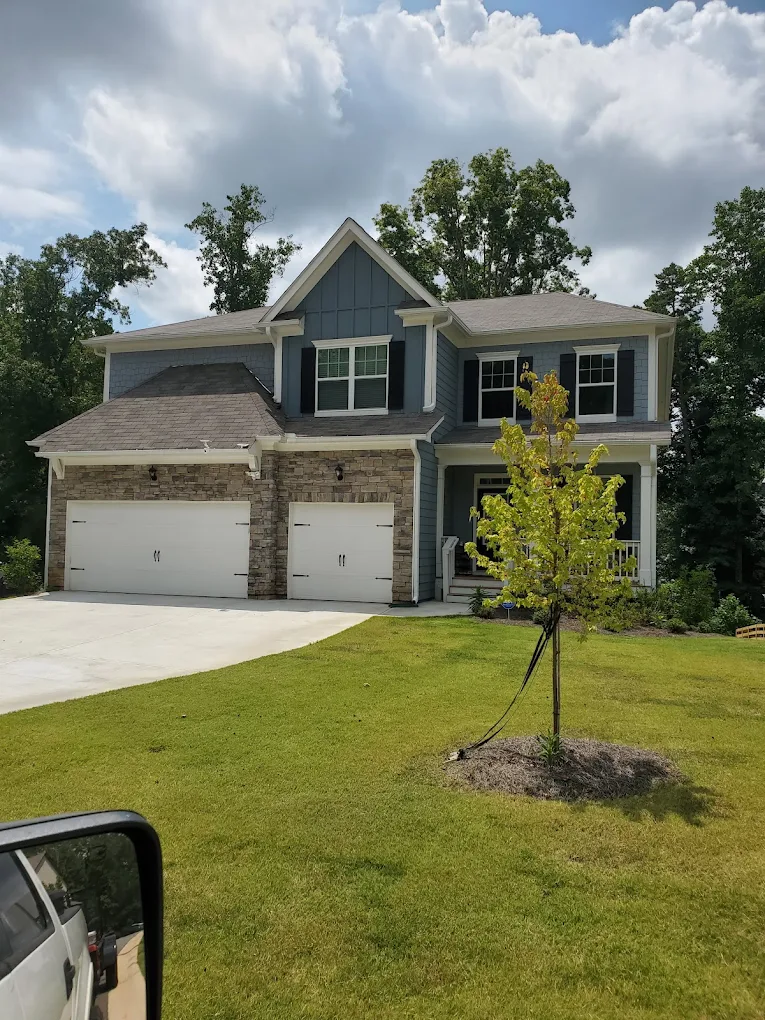
Maximizing Sunlight: Lawn Care Techniques for Shaded Areas Jul 26, 2026
First, it's crucial to understand the dynamics of your shaded areas. Take note of the amount of light these spots receive throughout the day. Is it dappled shade beneath deciduous trees or denser shade alongside a wall? This knowledge guides your lawn care strategy and choice of grass type. Some grass species are naturally more shade-tolerant, such as fescue and ryegrass, which perform better in limited sunlight and may be ideal for your lawn.
Once you know your lawn's lighting situation, proper mowing practices can aid in maintaining healthy grass in shaded areas. Mow these sections slightly higher, leaving grass blades about three inches tall. Taller grass has more leaf surface to capture sunlight, thus compensating for reduced exposure. Also, ensure your mower blades are sharp to avoid tearing grass, which can stress shaded grass further.
Watering must be adjusted for shaded lawns too. While it’s important not to overwater, as excessive moisture can foster fungal diseases, dry patches should be avoided as well. Water deeply but less frequently to encourage deeper root growth, which is beneficial for grass competing with trees and shrubs for nutrients and moisture.
Fertilizing shaded lawns is another critical component. Over-fertilizing can lead to an excess of succulent, disease-prone growth, especially where sunlight is limited. Use a slow-release, balanced fertilizer that encourages steady growth without stressing the lawn. Application should be timely, ideally in early spring and late fall, to set a strong base for the seasons ahead.
When dealing with shade from trees, consider pruning to allow more light penetration. Thinning the canopy not only enhances sunlight exposure for your lawn but also promotes airflow, reducing the potential for disease. If natural light remains insufficient, some homeowners opt for artificial lighting. Though more of a decorative feature, well-placed landscape lights can subtly mimic natural light conditions, providing aesthetic appeal and practical benefits.
Aeration is another effective technique for shaded areas. Compacted soil is common under shaded lawns, as tree roots often monopolize the ground. By aerating, you alleviate compaction, allowing air, water, and nutrients to reach grass roots more efficiently. This process is best done in the fall or spring, ensuring roots grow robust and healthy.
Lastly, consider planting ground covers in areas where grass struggles the most. Vinca minor or hostas not only thrive in shade but also add texture and visual interest to your garden. By mixing grass with shade-friendly plants, you create a diverse and resilient landscape that is both functional and pleasing.
Maximizing sunlight for shaded lawns involves strategic planning and consistent care. While it may seem daunting, following these guidelines can transform these challenging spots into lush, green zones. At Palmour's Lawn Care, our team of experts is dedicated to helping you achieve a beautiful lawn, regardless of the conditions. For personalized advice tailored to your yard’s unique needs, feel free to reach out. Together, we can ensure that every corner of your lawn receives the care it deserves.
/filters:no_upscale()/filters:format(webp)/media/c3591fb5-b096-46e9-b7e0-921f142444f7.webp)
/filters:no_upscale()/filters:format(webp)/media/cef40d98-b4c0-4cc3-b38d-e0a4ec994e97.jpeg)